

We Will Certainly be Afflicted with Difficulties
Arif Billah Hazrat Dr Abdul Hayy Sahib رحمه الله has lamented that it is indeed a great impediment in our lives that there is a lack of resolve with regards to dua. We must remember that Allah Ta’ala جل جلاله has created both bounties and difficulties in this world. We will at times be bestowed with favours and on other occasions be entangled in trials. This is the nature of the world that at every step, we will have either major or minor needs. Besides Allah Ta’ala جل جلاله, there is none that can fulfil any need.
Just as we are dependent on Allah Ta’ala جل جلاله for every conceivable requirement in this world, so too shall we be in desperate need for the intervention of Allah Ta’ala جل جلاله after death and beyond. As slaves, it is vital that we turn to Allah Ta’ala جل جلاله for every need to be fulfilled, to be saved from every anxiety and to be spared every affliction. Allah Ta’ala جل جلاله has stated in the Kalamullah:
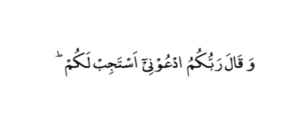
‘Call unto Me I will respond to your call (Duas).'(Surah Mu’min:60)
This is the promise of Allah Ta’ala جل جلاله and it is absolute. Therefore, every believer should make dua with conviction that his supplications will certainly be accepted. But then again, we are slaves and lack the wisdom – the prerogative of acceptance is solely in the control of Allah Ta’ala جل جلاله. Either Allah Ta’ala جل جلاله gives a person what he has asked for or He removes a difficulty in this world or the dua is stored for the believer in the Akhirah.
On the day of Qiyamah, when the rewards of good deeds will be distributed, a believer will receive immeasurable bounties in lieu of those supplications that were stored for the Akhirah. At that time, a slave will desire that it would have been better had none of his duas been accepted in the world. Therefore, it is imperative that a slave have the conviction that his duas are certainly accepted and not in vain. If a slave observes the etiquettes of duas, how can it be worthless? Moreover, the Mufassireen have stated that it is indeed a special honour for the Ummah of Sayyiduna Rasulullah صلى الله عليه وسلم that they have been ordered to make dua and promised acceptance for their supplications. Allah Ta’ala جل جلاله becomes displeased with the person who does not make dua and it is a means of depravation for him.
The Status of Dua
Hazrat Qatadah رحمه الله has narrated from Hazrat Ka’ab Ahbaar رضي الله عنه that it was the distinguishing feature of the lives of the Ambiyaa عليهم السلام that they were ordered to make dua whereas it is a unique characteristic of the Ummah of Sayyiduna Rasulullah صلى الله عليه وسلم that this instruction is generalised.
The status of dua is indeed immense; Hazrat Anas رضي الله عنه has reported from Sayyiduna Rasulullah صلى الله عليه وسلم that;
الدعاء مخ العبادة
‘Dua is the essence of Ibadah.’ (Tirmidhi #3371)
The Ummah has been taught the temperament by none other than Sayyiduna Rasulullah صلى الله عليه وسلم that we acknowledge our insignificance and express our utter helplessness in the court of Allah Ta’ala جل جلاله . Due to the fact that we adopt humility in dua to a much greater extent (because we need help); the act of dua is referred to as the essence of Ibadah.
What Do We Possess?
Arif Billah Hazrat Dr Abdul Hayy Sahib رحمه الله has lamented that we have in our possession things that have created waves of immorality and driven out Haya (modesty). We have to acknowledge our weaknesses, accept that we are incompetent and sincerely turn unto Allah Ta’ala جل جلاله .
Hazrat Arifi رحمه الله has suggested that one sits in supplication as a person in desperate need of assistance. When one sits as a beggar, this attracts the attention of Allah Ta’ala جل جلاله.
Hazrat Abdullah ibn Masood رضي الله عنه has said that; “When anyone intends asking Allah Ta’ala جل جلاله for anything in prayer, he should firstly praise Allah Ta’ala جل جلاله with such praises that are due to Him. Then he should recite salaam on Sayyiduna Rasulullah صلى الله عليه وسلم and then ask for his need. In this manner it is more likely that he shall be successful in his plea and reach his desired aim.” (Majmauz Zawaid #17255)
Hazrat Abdullah bin Busr رضي الله عنه has reported that Sayyiduna Rasulullah صلى الله عليه وسلم has said; “Every dua remains in suspense (before being accepted), until such time that at its beginning the praises of Allah Ta’ala جل جلاله and salaat on Sayyiduna Rasulullah صلى الله عليه وسلم are recited.” Only after the praises of Allah Ta’ala جل جلاله and Salaat alan Nabi صلى الله عليه وسلم will the dua be accepted. (Siyar Aalam Nublaa v.17 pg.114)
Hazrat Ali رضي الله عنه has reported that Sayyiduna Rasulullah صلى الله عليه وسلم has said “Your recitation of salaat on me is a protector for your dua, the cause of Allah Ta’ala جل جلاله pleasure upon yourselves.” (87جلاء الأفهام ص)
Hazrat Umar رضي الله عنه used to say; ” Duas remain suspended between the heavens and the earth until such a time that salaat alan Nabi (صلى الله عليه وسلم ) is recited.” (Tirmizi #486)
Undoubtedly, the blessing of salaat alan Nabi صلى الله عليه وسلم creates a bond with Sayyiduna Rasulullah صلى الله عليه وسلم and will be a means of his intercession on the day of Qiyamah.
Ummul Mumineen Hazrat Aaisha رضي الله عنها has narrated that Sayyiduna Rasulullah صلى الله عليه وسلم said;
“When a servant says يا رب (O My Cherisher) four times, Allah Ta’ala جل جلاله says, ‘My servant I am present, I am listening to what you are saying. Ask, you will be granted.'” (Musnadul Firdaws #1122).
We come to know that it is very blessed to use يا رب in dua and it is a means of our supplications being accepted. Therefore, when one engages in dua, say يا رب four times and make dua.
A beautiful point shared by Hazrat Arifi رحمه الله is that when a servant implores Allah Ta’ala جل جلاله saying يارب , it is as if a massive wave annihilates mountains of sin.
Another unique feature of asking is shared by Hazrat Anas رضي الله عنه; he has narrated that Sayyiduna Rasulullah صلى الله عليه وسلم passed by a person who was saying:
يا ارحم الراحمين
O the Most Merciful of those who show mercy.
Hearing this, Sayyiduna Rasulullah صلى الله عليه وسلم said; “Ask, Allah Ta’ala’s جل جلاله special attention is on you.” (Mustadrak Haakim #2021)
Another vital point that is generally forgotten in dua is the aspect of seeking forgiveness. Hazrat Arifi رحمه الله has said that if we carefully examine our lives, we have been unfaithful and trampled upon the laws of our Rabb جل جلاله . It is therefore necessary that we first seek forgiveness for our sins before petitioning Allah Ta’ala جل جلاله . Irrespective of the nature of the sin, when a slave submits and accepts his wrongs, the mercy of Allah Ta’ala جل جلاله is showered upon His slave. At this juncture, reflect on the state of one’s Iman, renew one’s commitment to Allah Ta’ala جل جلاله and at the same time having fear that the bounty of Iman must be preserved and not snatched away. After seeking forgiveness, the slave must show gratitude unto Allah Ta’ala جل جلاله for the innumerable bounties being experienced; the blessings of gratitude will result in the increase of bounties.
May Allah Ta’ala جل جلاله grant us the continuous tawfeeq to rectify our lives and earn the pleasure of Allah Ta’ala جل جلاله.
آمين